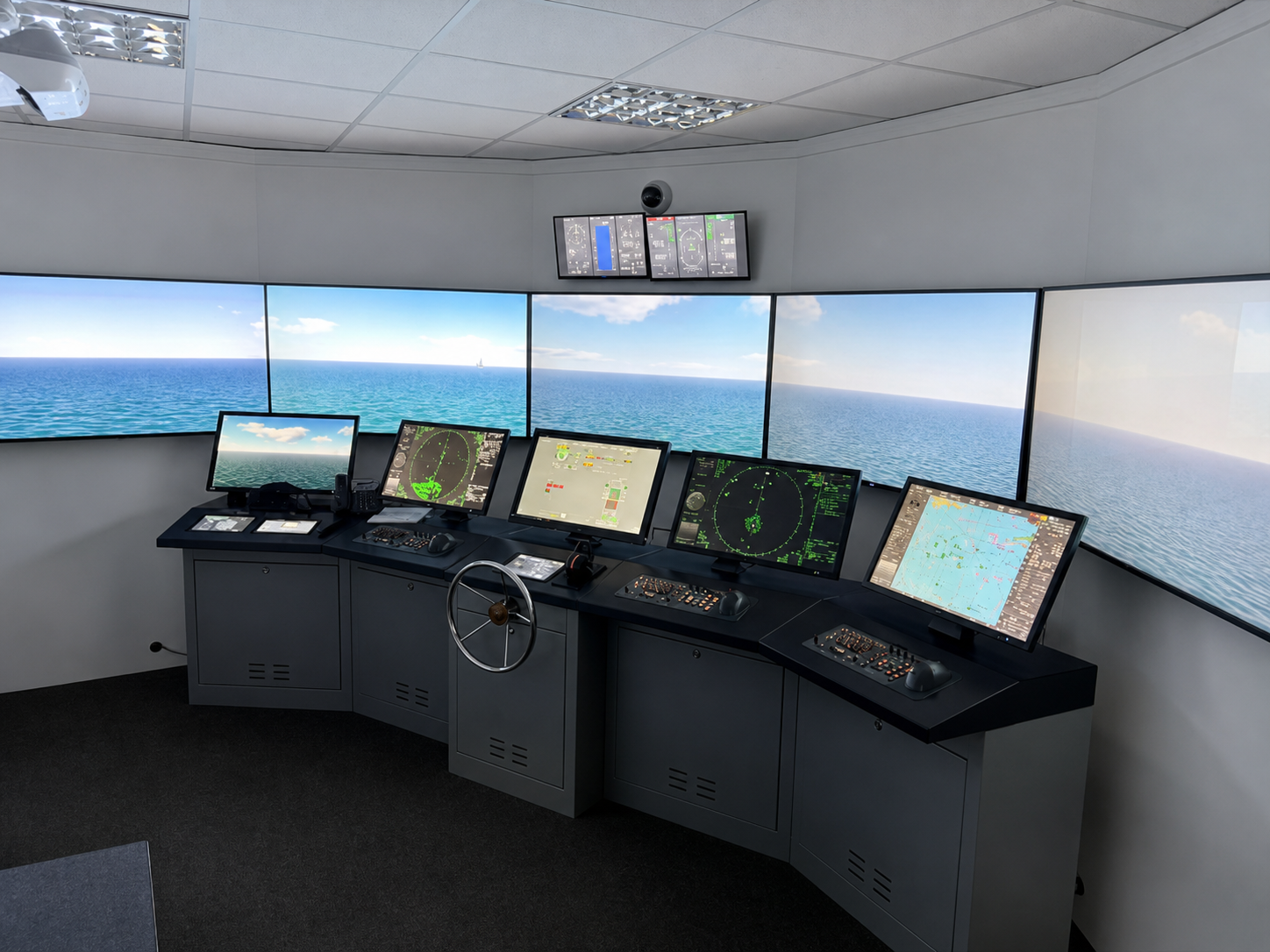
Naval bridge simulator with panoramic displays

Our mission

Turn critical experience into safe, repeatable training.

Our mission is to improve human performance and operational safety through immersive VR and advanced simulation. We convert complex procedures, equipment, environments, and decisions into realistic learning experiences that teams can practice, assess, and continuously improve.

Reduce riskProtect equipmentAccelerate learningImprove readiness

Learning with operational context

Bridge the gap between knowing and performing.

Classroom knowledge is essential, but readiness is built through decisions and actions. We design simulations where learners must observe, communicate, operate controls, manage uncertainty, and complete procedures under realistic pressure.

  • Build procedural confidence before learners access live equipment
  • Practice rare emergencies that are difficult to reproduce safely
  • Give instructors a consistent way to observe and assess performance
  • Use debrief data to turn mistakes into focused learning
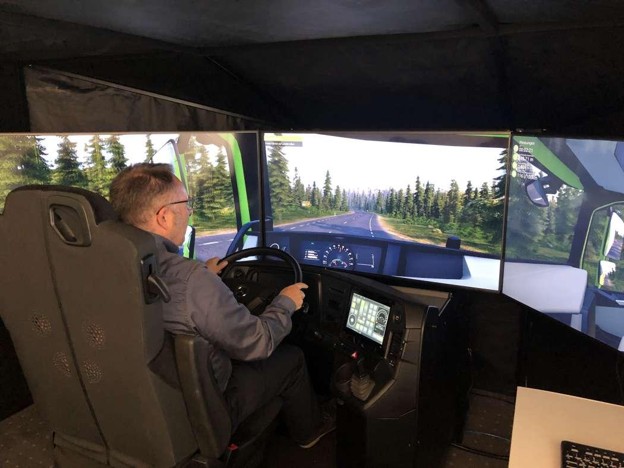
Instructor and learner at a driving simulator
Scenario practice supported by direct instructor observation

Software and hardware as one system

Build the physical interaction that makes VR training credible.

For aviation, maritime, vehicle, military, and industrial training, visual immersion is only one layer. We integrate cockpit structures, instrument panels, haptic controls, sensors, motion platforms, electronic control units, and instructor stations so learners practice with the right physical behavior.

HMICustom controls and instrument interfaces
I/OEmbedded systems, sensors, and control units
MotionHaptic feedback and motion platform integration
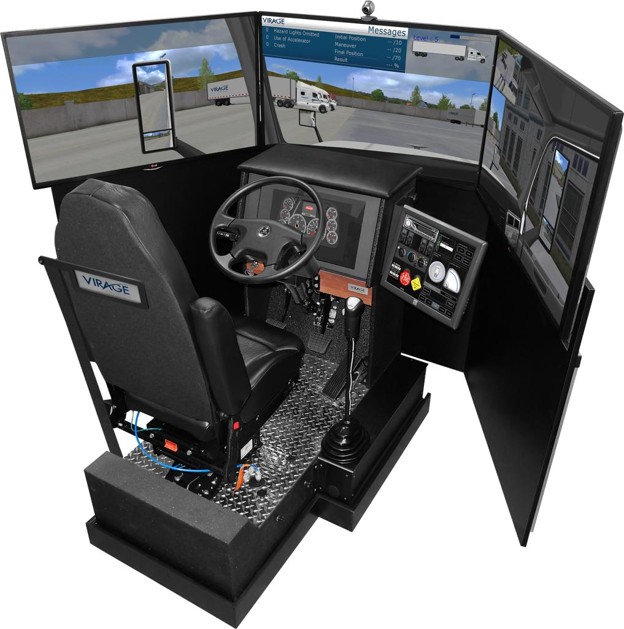
Heavy vehicle simulator rig with physical cockpit
A complete simulator rig built around real operator interaction

Long-term delivery mission

Stay accountable from first requirement to years of operation.

We aim to be a long-term engineering partner, not only a software supplier. Each engagement is shaped around operational requirements, installation constraints, instructor workflows, standards, maintenance needs, and future expansion.

DISCOVER

Requirements & workflows

Define the skills, decisions, equipment, environments, and success measures the simulator must reproduce.
ENGINEER

Custom system design

Coordinate real-time software, physical hardware, networking, visuals, instructor tools, and data.

DEPLOY

Integration & validation

Install, calibrate, test, and validate the solution in the environment where training will occur.

SUPPORT

Continuous improvement

Maintain the system, add scenarios, support users, and evolve capabilities as operations change.