Simulation applications
VR, AR, mixed reality, 3D visualization, digital twins, custom physics, cloud simulation, and instructor tools.
 Sybil Computer Technology
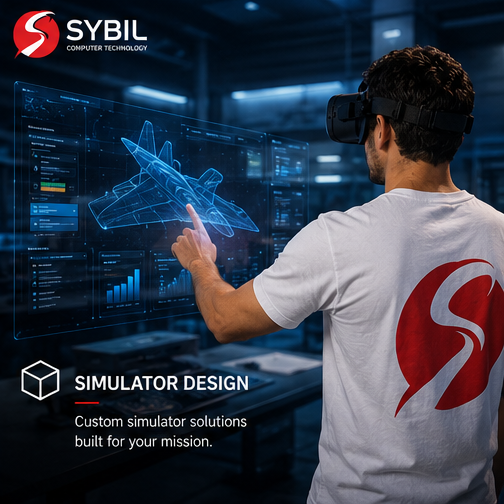
Custom simulator design
We translate operational requirements into complete simulator concepts, connecting the virtual environment with the controls, interfaces, instructor tools, and performance data needed for credible training. Each design is tailored to the user's role, physical workspace, equipment behavior, and assessment goals.
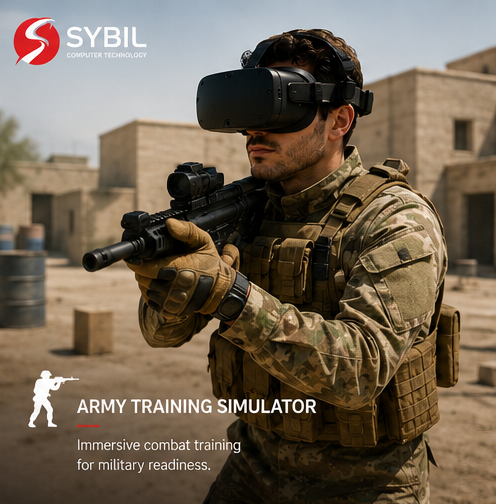
VR army training
Our army training simulations recreate tactical surroundings and mission-focused tasks without exposing personnel to live-field risk. Trainees can build situational awareness, rehearse movement and communication, and repeat scenarios until essential responses become confident and consistent.
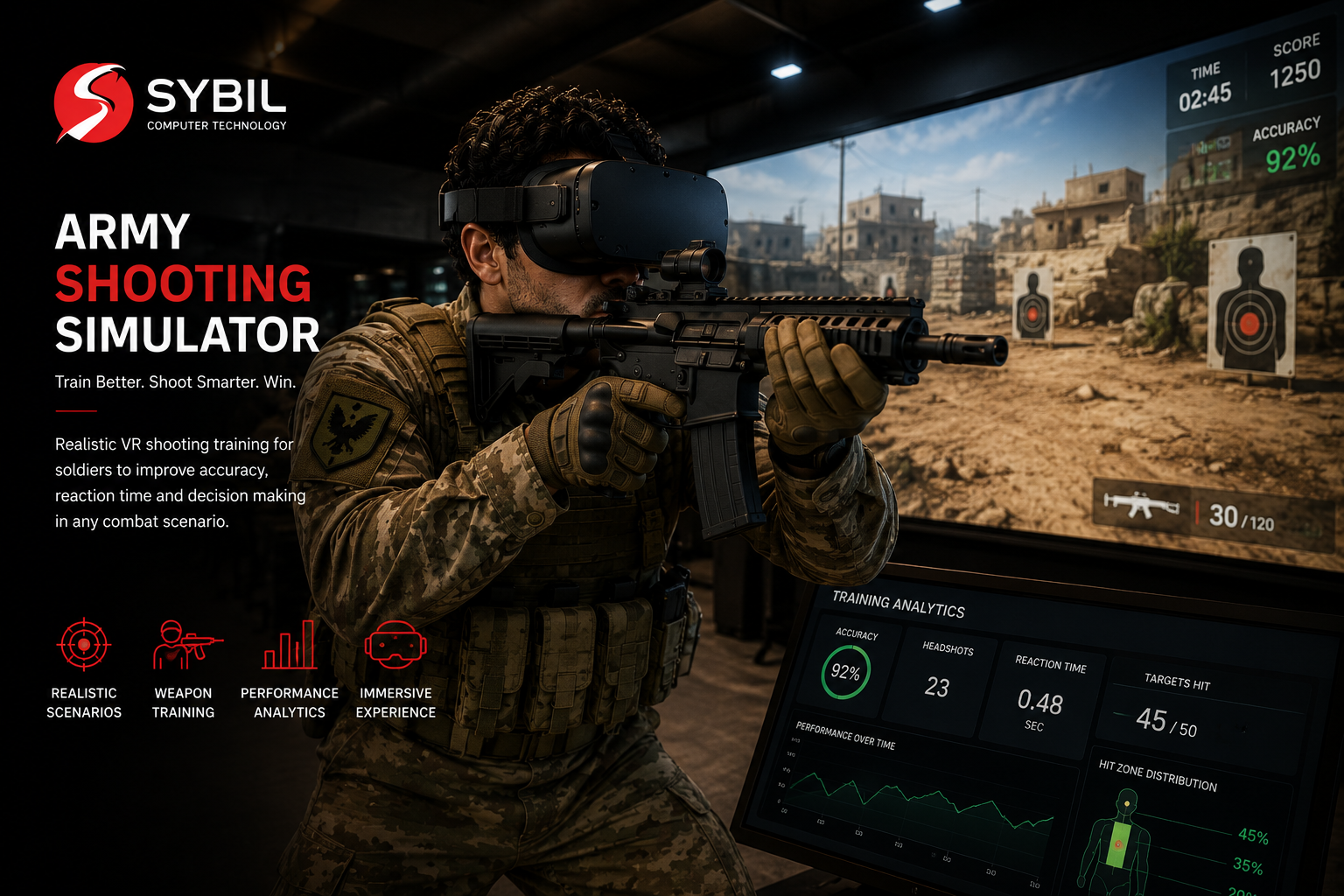
Army shooting simulator
The VR shooting simulator combines realistic weapon handling with changing targets and immediate performance feedback. It enables personnel to practice target recognition, engagement decisions, and response speed while instructors review accuracy, reaction time, and shot placement after every exercise.
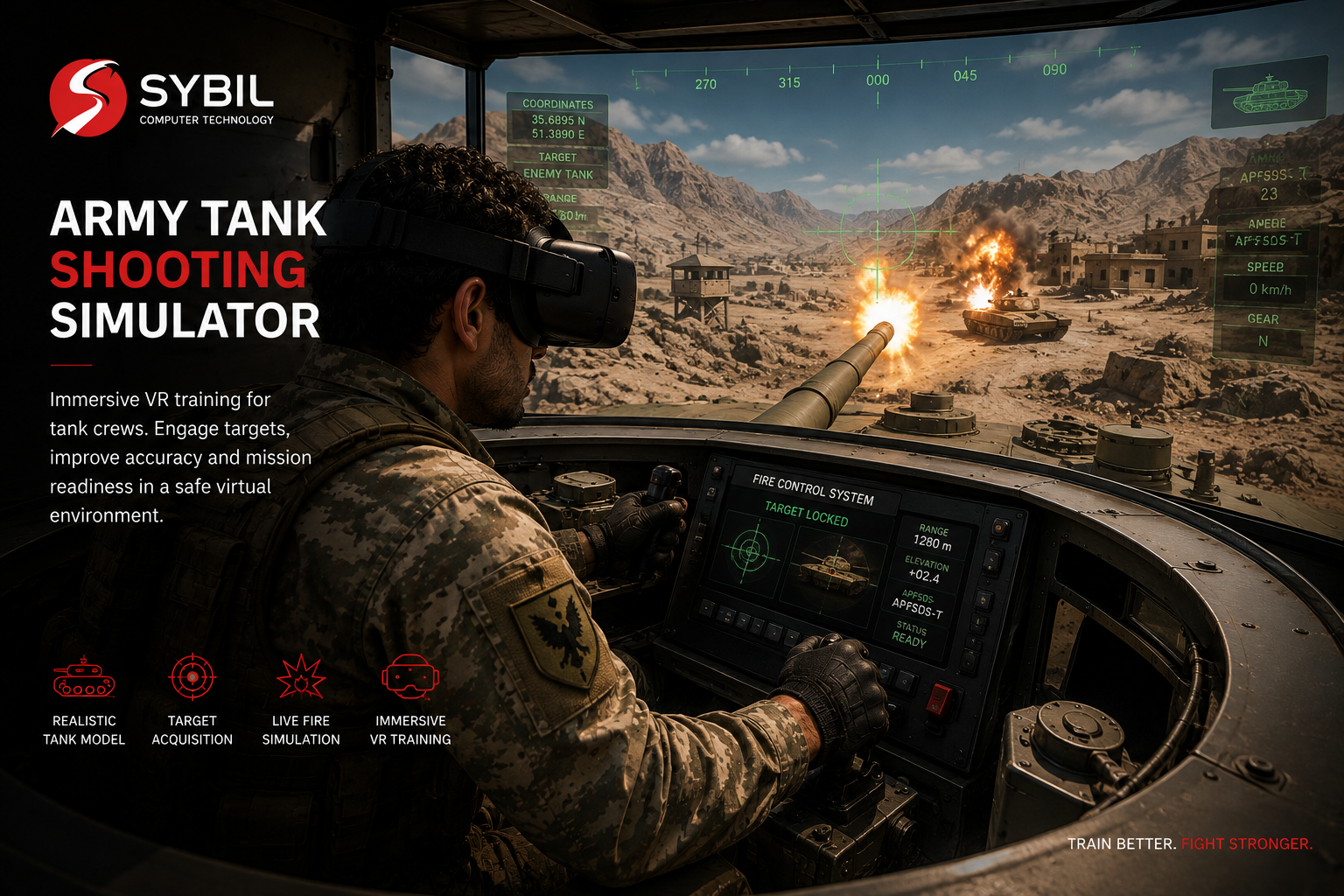
Tank crew simulation
Our tank shooting simulation places crews inside an immersive vehicle environment where they can identify threats, acquire targets, operate fire-control systems, and coordinate engagement decisions. Real-time feedback supports safer repetition and more focused preparation before live-platform training.
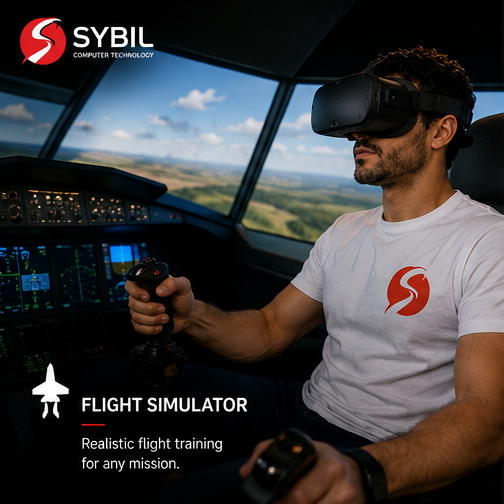
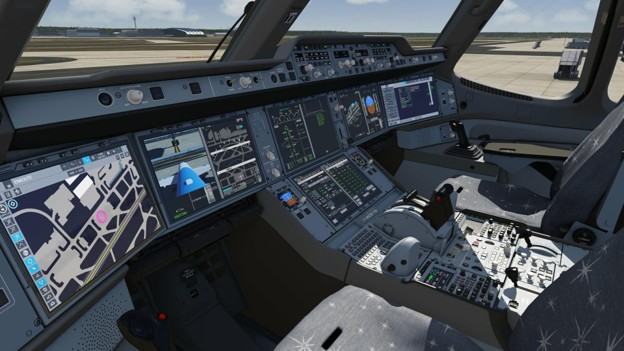
VR flight simulation
Our VR flight simulation places pilots and trainees inside a focused cockpit environment for procedural practice, aircraft familiarization, and mission rehearsal. Realistic controls and visual conditions help learners strengthen coordination and decision-making without consuming aircraft time or fuel.
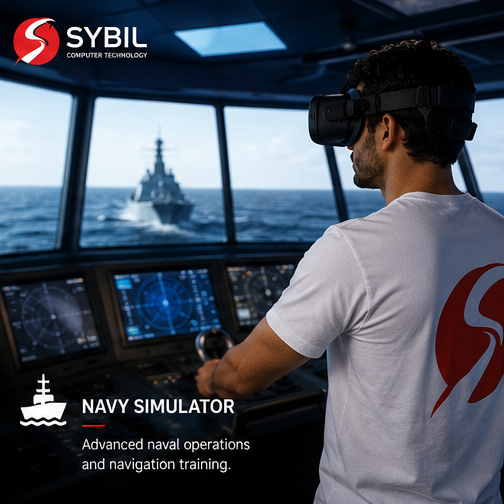
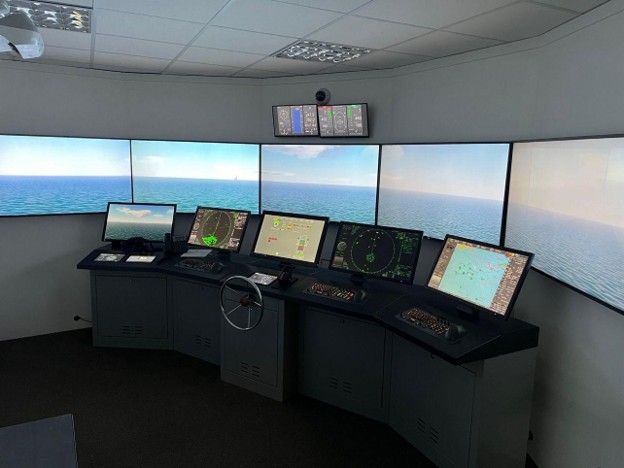
VR navy simulation
The navy simulator combines an immersive bridge environment with navigation displays and realistic sea operations. Crews can rehearse vessel handling, route decisions, watchkeeping, and coordinated responses while remaining inside a controlled and repeatable training setting.
Custom VR training experiences
We model the workplace, tools, hazards, sequence, and decisions that define the real task. The experience can guide a new learner step by step, challenge an experienced operator with dynamic conditions, or support team rehearsal in a shared virtual space.
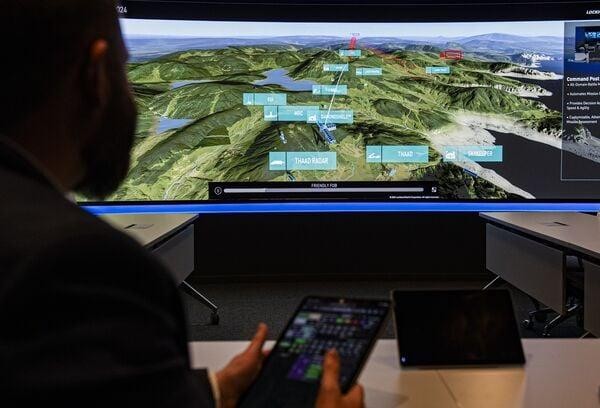
Military and tactical simulation
Our military training systems support tactical operations, mission planning, command and control, vehicle operation, battlefield visualization, and coordinated multi-user exercises. AI-driven forces and changing scenario conditions create a credible environment for judgment, communication, and leadership practice.
Aviation and maritime
We create cockpit and bridge simulators for familiarization, procedure training, mission rehearsal, emergency response, navigation, and crew coordination.
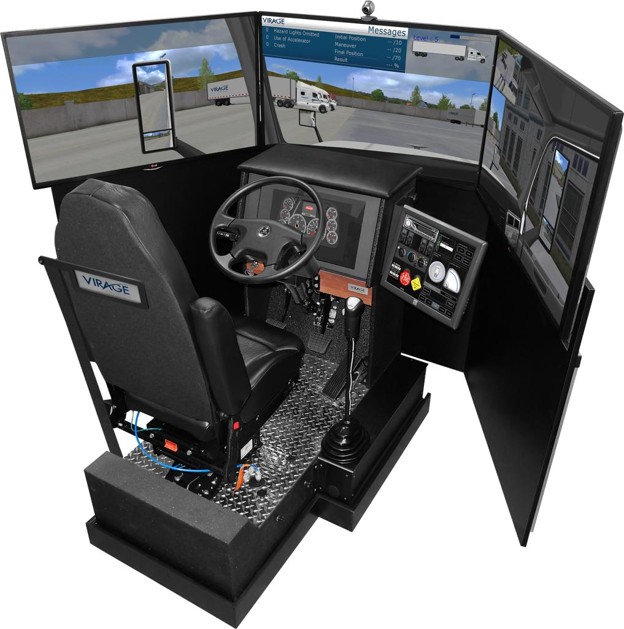
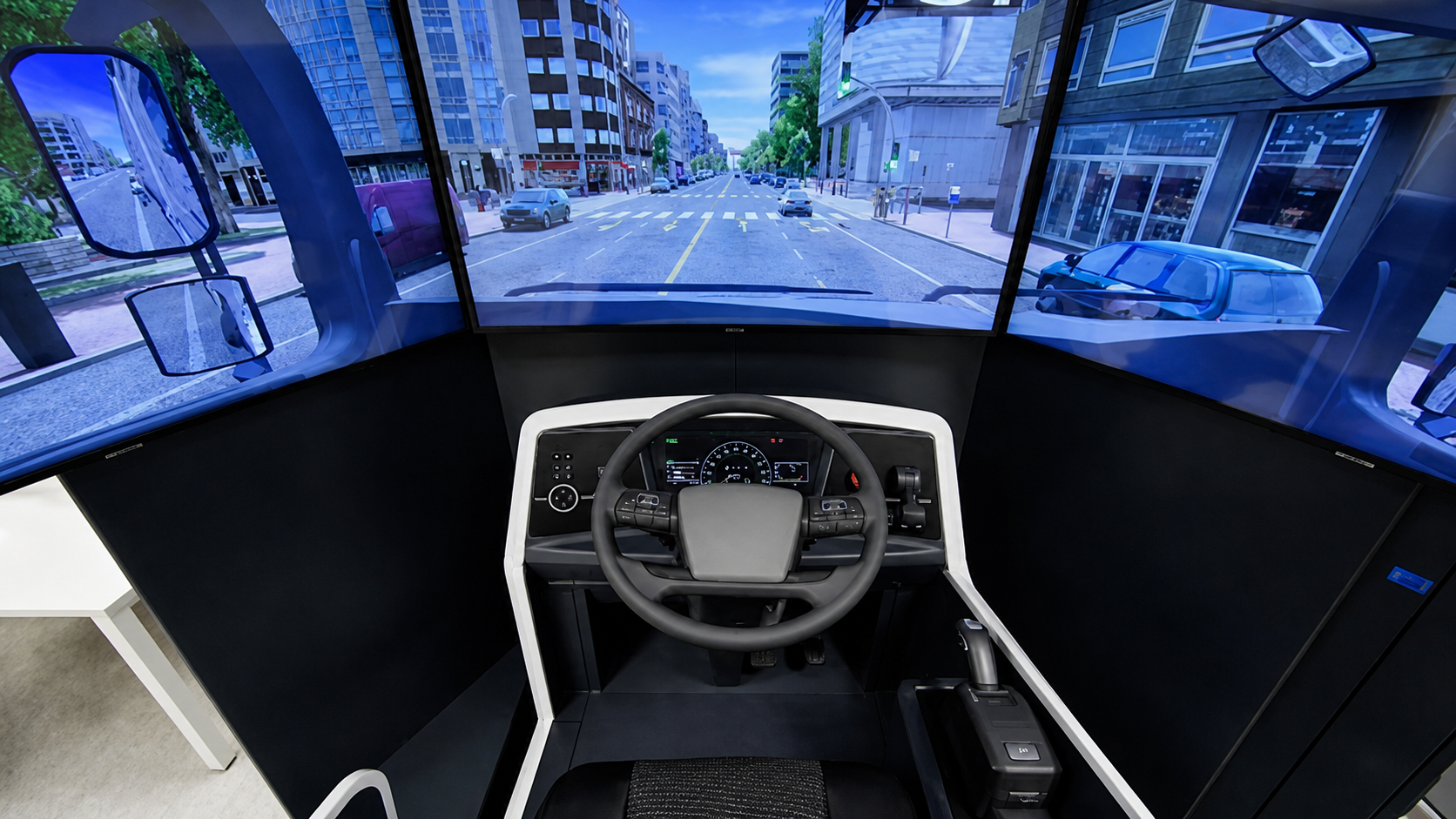
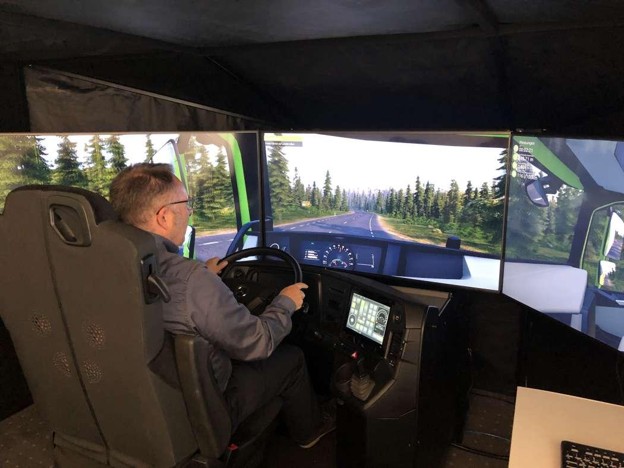
Truck and heavy vehicle simulation
Professional driver training systems let logistics companies, military transport units, and commercial operators practice heavy vehicle handling without fuel, vehicle wear, route disruption, or real-world exposure. Physical cabs and controls reinforce muscle memory while the simulation measures every decision.